Facebook
 X
X
 Pinterest
 Copy Link
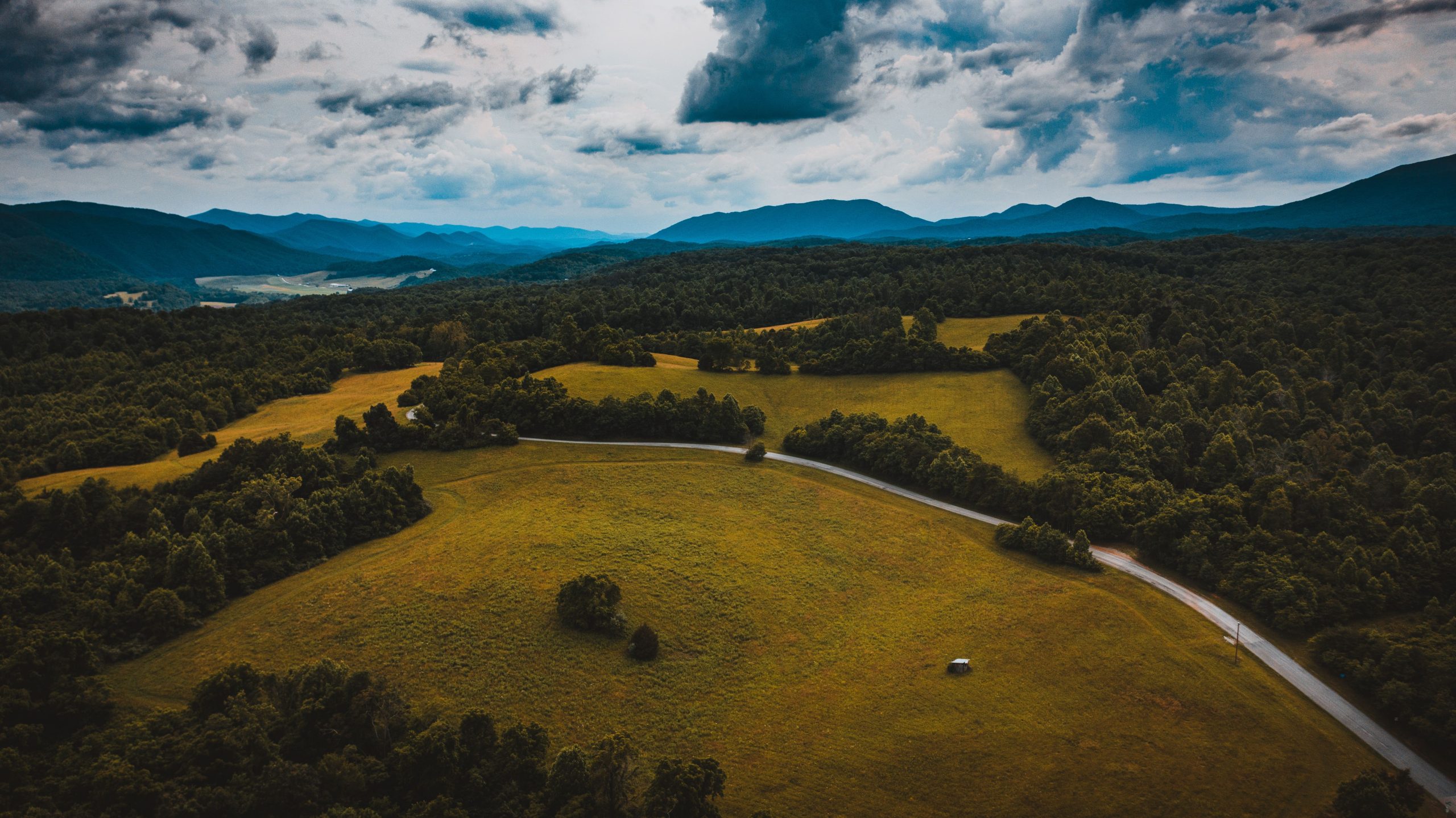
If you’re searching for relocating to Tennessee tips, you’re probably comparing everything here to what you left behind.
That’s exactly where buyers get into trouble. A price that looks like a steal compared to your old market, a listing photo that makes a property look flawless, a timeline that feels too tight to slow down for… these are the spots where relocation buyers skip steps they never would have skipped back home.
Here are the four biggest red flags I see out-of-state buyers miss.
Red Flag #1: Buying Without a Tour
Photos hide a lot. A polished drone shot or a well-lit listing photo will never show you the road noise from I-40, what the school pickup traffic looks like at 2:45pm, or how steep that “gently sloped” backyard really is.
This matters even more when you’re moving from several states away and everything about the process already feels rushed. It’s tempting to trust the pictures, especially when a home checks every box on paper. But paper doesn’t tell you how a property feels, and feel is a big part of whether a home works for your life.
If flying in isn’t realistic before you need to make a decision, the next best option is boots on the ground that you trust. Ask a local agent to walk the property with you live on FaceTime. Have them pan across the yard, open closet doors, run the water, and stand in the driveway so you can hear what you’d hear every morning. It’s not a replacement for seeing it yourself, but it’s a legitimate way to catch the things photos are designed to hide.
The rule I give every relocation client is simple: never buy sight unseen, not even in a hot market, not even when the deal looks too good to pass up.
Red Flag #2: Skipping the Inspection
“Move-in ready” is a phrase in a listing description. It is not a guarantee, and it’s not a substitute for an inspector who actually gets on the roof and under the house.
Buyers coming from faster-moving or more competitive markets sometimes assume waiving an inspection is just what you do to compete. But waiving inspections altogether puts you at risk.
An inspection isn’t about killing the deal. It’s about knowing what you’re buying before you own it. In this region specifically, that means understanding the age and condition of the roof, HVAC, and water heater, whether the home is on well or septic and how that system has been maintained, and whether there’s any sign of moisture or foundation issues.
Even in a competitive offer, there are ways to structure an inspection period that protects you without making your offer look weak. A local agent who knows how these deals typically get structured here can help you find that balance instead of choosing between “no protection” and “no chance.”
Red Flag #3: Ignoring Comps Because “It’s Still Cheaper Than Back Home”
This is the one I see most often, and it’s an easy trap to fall into. If you’re coming from a state where the median home price is significantly higher than what you’re finding here, almost everything looks like a bargain. That feeling is real, but it isn’t the same thing as the home being priced correctly for this market.
Cheaper than your home state doesn’t mean it’s priced right for Crossville, Cookeville, Lancing, or wherever you’re looking. The only comparison that tells you whether you’re getting a fair deal is the house against other homes like it, in that same area, that have sold recently. Square footage, lot size, condition, and location within the county all matter here just like they would anywhere else.
Compare the house to what’s around it, not to what you left behind. That’s the difference between getting a genuinely good deal and just feeling relief that it isn’t as expensive as your last zip code. A buyer’s agent who’s local to the Upper Cumberland region can pull real, recent comps and tell you honestly whether a list price is fair, high, or actually room to negotiate…before you fall in love with a number that only looks good next to your old mortgage payment.
Red Flag #4: Buying Land Without Hiring a Soil Scientist
This one catches people off guard the most, especially buyers dreaming of acreage, a cabin, or a homestead property after being priced out of a more urban market. Land here can be beautiful and still be unbuildable, and you often can’t tell the difference just by walking it.
Before you fall in love with a piece of land, get a licensed soil scientist out to evaluate it. They’ll map the soil across the property to determine whether it can support a septic system, since most rural parcels in this region aren’t on municipal sewer. Without that soil map, you don’t know whether you’ll be able to build a home, a garage, or anything else on that land the way you’re picturing it.
This step gets skipped constantly by buyers moving from areas where public sewer is standard, because it simply isn’t something they’ve had to think about before. It should never be an afterthought here. If you’re seriously considering a land purchase in the Upper Cumberland, reach out to a local soil scientist early in the process.
Don’t Navigate This From 500 Miles Away, Alone
Every one of these red flags has the same root cause: trying to buy a home in an unfamiliar market using instincts built in a different one. That’s not a knock on relocation buyers. It’s just what happens when you’re doing your best to make a big decision from a distance, on a timeline, without local context to lean on.
This is exactly the gap I help fill for buyers relocating to Crossville and the surrounding Upper Cumberland area. Whether you’re six months out from a move or just starting to explore what’s possible here, having someone local in your corner from the very beginning changes how these decisions get made.
If you’re thinking about a move to Middle or East Tennessee in the next six to twelve months, reach out and let’s talk through your goals, your timeline, and what to watch for in this market before you start touring homes.
View this post on Instagram